Everything You Need to Know About Acalypha (Copperleaf) — Care, Planting & Landscaping
Your complete Filipino gardener’s guide to growing the most colorful hedge plant in the Philippines — from cuttings to a stunning privacy screen.
About Acalypha (Copperleaf)
The undisputed king of colorful hedges in the Philippines.
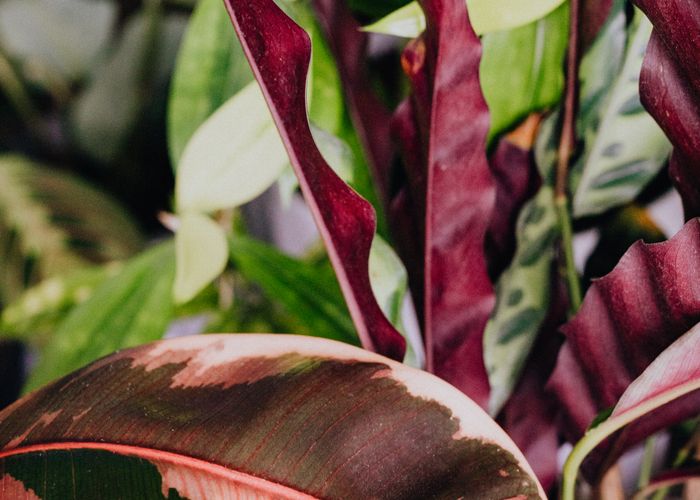
Acalypha wilkesiana is arguably the most widely planted ornamental hedge shrub in Filipino landscaping. Its extraordinary prevalence stems from a perfect combination of qualities: spectacular foliage colors rivaling any flowering shrub, bulletproof tolerance of Philippine heat and humidity, rapid growth creating functional hedges in months, and near-zero maintenance once established.
The genus Acalypha contains over 450 species, but A. wilkesiana is the most important ornamental species. Varieties exist with leaves in solid copper, deep burgundy red, bright pink, mottled mosaics, and crinkled textures. In full sun, the colors blaze with intensity — the copper tones practically glow in afternoon light.
Known universally as "copper plant" in the Philippines, acalypha represents the default hedge plant in Filipino landscaping culture. Plant markets sell rooted cuttings for as little as ₱30-50, making it accessible to all income levels. So thoroughly integrated into the Philippine landscape that many Filipinos consider it a native plant.
First described through the United States Exploring Expedition (1838-1842) led by Commander Charles Wilkes — hence "wilkesiana." Native to Fiji and cultivated by Pacific Islanders, it reached the Philippines during the colonial era through Manila's botanical gardens and has since become naturalized throughout the archipelago.
Planting Guide
Everything you need to know about soil, spacing, and the best planting months in the Philippines.
Propagation Methods
One of the easiest plants to propagate — one mature hedge yields 20-50 cuttings per pruning.
For large hedge projects, plant 20-30 cm hardwood cuttings directly into the prepared trench at hedge spacing during wet season. This is the most economical method — acalypha is effectively free to propagate at scale.
Care Guide
Keep your acalypha hedge vibrant and dense with the right light, water, and pruning.
Full sun (6+ hours direct). Colors blaze in full sun; plants in shade become leggy with dull green leaves. More sun = more color.
Moderate once established. 1-2x weekly deep watering during dry season. Daily for new plants (first 4-6 weeks). Established hedges survive on rainfall during wet season.
Balanced 14-14-14 or 16-16-16 granular quarterly. Organic alternative: compost or vermicast top-dressing every 2-3 months. Avoid over-fertilizing with nitrogen alone.
Thrives at 25-35°C. No issues with Philippine summer heat. Damage below 10°C (rarely a concern in lowland PH). Recovers quickly from typhoon wind damage.
60-85% ideal — perfect for Philippine tropical conditions year-round. No special humidity adjustments needed.
Trim every 4-6 weeks for dense hedges. Shape wider at base (trapezoidal). Hard rejuvenation pruning in early wet season for leggy hedges. New growth shows most vivid colors.
Get the Right Soil & Services
Everything your plants need to thrive in Metro Manila.
Nutrient-rich, well-draining potting mix — perfect for ornamental plants. Delivered across Metro Manila.
Shop Garden Soil →Rich, balanced loam soil for landscaping, garden beds, and raised planters. Bulk delivery available.
Shop Loam Soil →Professional landscaping design and drip irrigation installation for homes and businesses in Metro Manila.
View Services →Ornamental & Landscape Uses
From privacy hedges to resort landscaping — how Filipinos use acalypha.
Copper acalypha behind yellow alamanda, red copperleaf backing white gardenias, or pink varieties framing purple bougainvillea create sophisticated color harmonies in Filipino garden design.
Safety & Environmental Benefits
Toxicity info for families and pets, plus air quality benefits.
Humans: Milky latex sap causes skin irritation and contact dermatitis. Ingestion may cause nausea, vomiting, and diarrhea — typically mild and self-limiting. Wear gloves when pruning. Keep away from small children.
Pets: Dogs and cats may experience mild GI upset from chewing leaves. Most pets avoid the plant after first contact due to bitter sap. Risk is low in normal landscape use.
Dense acalypha hedges act as living air filters — trapping dust, PM2.5, and PM10 on leaf surfaces while absorbing gaseous pollutants. Hedges along busy roads reduce dust penetration and improve the microclimate: cleaner air, lower wind speed, and higher oxygen levels in the garden space behind them.
Common Pests & Diseases
Spot issues early and keep your hedge healthy.
Mealybugs
Signs: White cottony clusters at leaf axils and stem junctions
Solution: Neem oil spray, insecticidal soap, or systemic insecticide for heavy infestations. Good air circulation from proper spacing reduces incidence.
Spider Mites
Signs: Fine stippling and webbing on leaf undersides; dull bronzed appearance. More common during hot, dry season.
Solution: Spray with strong water jet to dislodge. Apply neem oil or miticide. Increase humidity around plants.
Whiteflies
Signs: Small white flying insects on leaf undersides, honeydew excretion
Solution: Yellow sticky traps to monitor and reduce populations. Neem oil or insecticidal soap. Improve air circulation.
Leaf Spot Diseases
Signs: Brown or dark spots on leaves with yellow halos (Cercospora, Colletotrichum)
Solution: Remove affected leaves. Improve spacing for airflow. Avoid overhead watering. Copper-based fungicide for severe cases.
Root Rot
Signs: Wilting despite moist soil, yellowing leaves, overall decline
Solution: Improve drainage, reduce watering, raise planting if soil is heavy. Apply beneficial soil microbes. Prevention: always ensure good drainage.
Scale Insects
Signs: Brown or tan bumps on stems causing slow decline and branch dieback
Solution: Scrape off manually or apply horticultural oil. Systemic insecticide for heavy infestations. Regular pruning promotes plant vigor.
Frequently Asked Questions
Quick answers to the most common acalypha questions.
Is acalypha toxic to humans and pets?
MILDLY toxic. The milky sap causes skin irritation on contact and GI upset if ingested. Not life-threatening. Wear gloves when pruning. Keep away from small children. Pets may experience mild stomach upset from chewing leaves.
How fast does acalypha grow as a hedge?
Very fast — 60-90 cm/year. New 30 cm cuttings can form a 1-1.5 m privacy hedge within 6-12 months. Acalypha creates a full hedge 2-3x faster than podocarpus or bougainvillea. Regular trimming every 4-6 weeks maintains density.
What are the best acalypha varieties for Philippine hedges?
Classic copper leaf (bronze-red, most common), 'Marginata' (pink-red margins), 'Godseffiana' (compact green-white for borders), 'Musaica' (mosaic patterns), crinkled varieties (textured reds). Prices: ₱30-50 cuttings, ₱50-100 potted.
Why is my acalypha losing color and becoming green?
Insufficient sunlight — the #1 reason. Acalypha needs full sun (6+ hours direct) for vivid colors. Solutions: relocate to sunnier spot, trim overgrown canopy, prune hedge (new growth shows most color), and fertilize adequately.
How do you propagate acalypha?
Stem cuttings — 15-25 cm semi-hardwood stems, remove lower leaves, plant in moist soil. Roots in 2-4 weeks, 70-90% success rate. Best during wet season (Jun-Jul). Rooting hormone optional.
Can acalypha grow in pots?
Yes — min 25-30 cm pot with drainage. Use potting mix with perlite. Place in full sun. Water daily in summer. Plants stay 60-90 cm (vs 2-4 m in ground). Dwarf 'Godseffiana' is best for containers.
How tall does acalypha grow?
Unpruned: 2-4 m tall, 1.5-2.5 m wide. As maintained hedge: typically 1-2.5 m. Reaches functional hedge height within 6-12 months. Regular shearing every 4-6 weeks maintains density at any desired height.
Is acalypha drought tolerant?
Moderately — once established (3-6 months). Survives dry spells by dropping older leaves but recovers after rain. For best appearance, water deeply 1-2x weekly during dry season. Mulching conserves moisture significantly.
Sources
References used in this guide.
- Plants of the World Online — Acalypha wilkesiana. Royal Botanic Gardens, Kew.
- PROSEA (Plant Resources of South-East Asia) — Ornamental Plants. Backhuys Publishers.
- Philippine Medicinal Plants Database — Acalypha wilkesiana. Stuart Exchange.
- Whistler, W.A. (2000). Tropical Ornamentals: A Guide. Timber Press.
- PCARRD — Landscape Plants Guide.
This guide is for informational purposes. Acalypha sap is mildly irritating — wear gloves when pruning.